
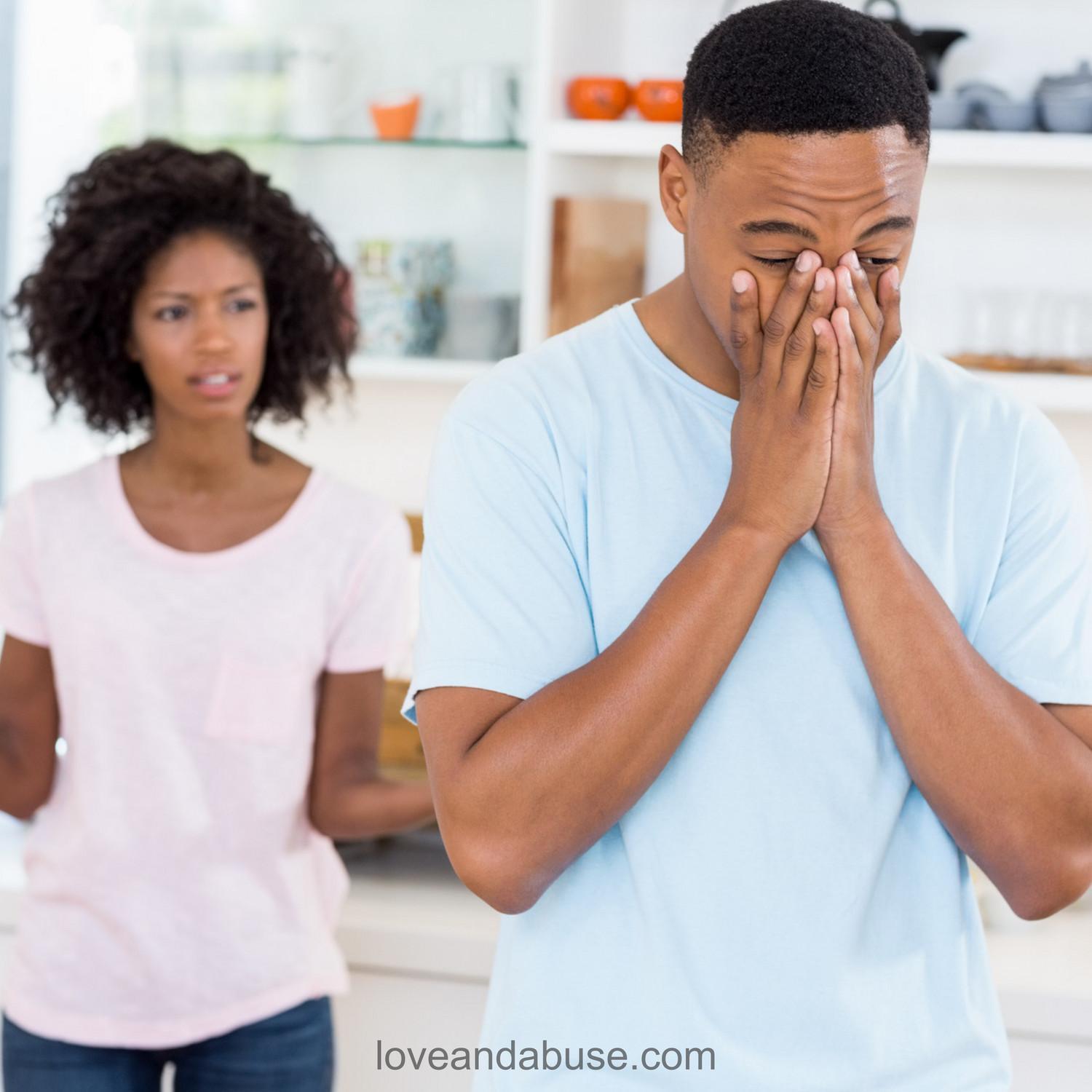

We can spend so much time hoping the other person will change so that our life will be better, but we end up missing out on a lot of time that could be spent doing what we need to do for ourselves.
In this article, I talk about the elements that make up the emotionally abusive relationship and how knowing both sides, the victim and the abuser, can be helpful to determine the path you need to take for yourself.
When you’re living with someone who treats you badly, something happens inside you. You start to retreat. You pull back into yourself like a turtle withdrawing into its shell, trying to protect what’s left of your sense of self. This protective instinct is natural, but it comes with a cost: The more you hide, the more you close yourself off from the world, from connection, from trust, from happiness itself.
I know this pattern well because I lived it from both sides. When my stepfather drank, I had to disappear into my bedroom, hoping and praying he’d stay sober that night so I could sleep without fear.
That kind of environment takes a toll. You’re constantly on guard, constantly protecting yourself from the emotional radiation of someone else’s dysfunction. The problem is that when you spend enough time in that shell, you start closing out everything good along with the bad.
In my previous marriage, my wife started doing the same thing. She was closing off, shutting down, losing her passion for life. I had no idea I was the cause. I thought she was depressed because she couldn’t find a job she liked or couldn’t stay employed. I never once looked at myself as the problem. She was retreating into her shell because of how I was treating her, and I was completely blind to it.
This is what happens in emotionally abusive relationships. You either unwillingly or inadvertently become more tolerant and resilient to bad behavior. That’s probably not your intention, but you start accepting it as your new normal. You think, “I’ll just get through this until the next good moment.”
And the next good moment always comes, because that’s the cycle. Someone loves you, then they abuse you, then they love you again. It’s traumatic, but you keep seeking any sliver of kindness and respect from the other person.
Someone who is emotionally abusive knows exactly how to give you love and support for a while, then take it away through control, manipulation, and deception. You wish and hope and pray they won’t do it anymore, but the pattern continues.
So what do you do? You crawl back into your shell. You either don’t want to deal with it, can’t deal with it, don’t have the tools to deal with it, or don’t want to face the repercussions of dealing with it. You don’t want to handle their cunningness, their manipulation, their control.
When you continue that cycle, traumatic bonding takes place. You almost start to equate love with abuse and abuse with love until you can’t tell the difference anymore. You bond to the person, waiting for them to be nicer. You feel good when they’re nice, then bad when they’re not, spending all your time in that bad space waiting for the good to happen again.
Even if you think you have no choice, I want you to do something. Put your hands on your chest and say, “I am worthy of better behavior. I deserve to be treated with respect and kindness. I am protecting this person, this body, this mind, this heart. I will protect who I am.”
Really feel that.
Soak it in.
Even if you don’t know what to say or how to get through the argument or how to get through the day, you have to know these things about yourself. You have to believe these things about yourself.
In the emotionally abusive relationship, most victims of that behavior stop believing in themselves. They stop trusting themselves. Their decision-making ability goes haywire. Their ability to figure out what’s true and what’s not gets completely scrambled.
A lot of that confusion comes from gaslighting, where someone is literally making you crazy. It can also come from the simple fact that they’re loving you one moment and treating you badly the next.
When you have someone in your life who doesn’t focus on themselves but focuses on changing you, you become a wreck. Every aspect of your life gets altered and affected.
What’s interesting is that the person controlling you often thinks that’s love. They think that’s the best way to achieve happiness! And because they think that’s love, your experience of love changes. Meaning, you start to define love differently.
Maybe they were so nice when you first met, but things changed over time and they became someone you don’t even recognize.
I can look back at my behaviors now and see that’s how every one of my relationships began. I thought I was one of the most amazing people they’d ever met! And I’m not saying this from ego, I’m saying this because I knew how to show up in order to be impressive:
I would love bomb.
I would compliment.
I would tell them how wonderful they were.
I would listen carefully to what they wanted for their life and try to fulfill that, making me look like a hero.
But I didn’t know my behaviors were toxic back then. I wasn’t showing up as myself. I was showing up in a way that made them think I was perfect for them.
I did that to about four or five partners in my life. I ruined all of those relationships and hurt good people in the process. I’m not proud of that, but looking back at my behavior now, that was a different person. I don’t like that guy. I love who I am today, but I don’t like that guy – the guy I used to be.
The way I showed up back then is completely different from how I show up now, which is actually supporting the person I’m with, supporting their happiness, their hobbies, their dreams, their ambitions.
With my ex-wife, after about two or three months, I started getting more comfortable in the relationship, settling down. Then my true character came out. I was still kind and generous in many ways, but I had emotionally abusive behaviors that I’d never healed from and didn’t even know existed because I thought everyone else needed to change and I was fine. That was my perspective: I’m okay, you’re not. I’m fine, you have a problem.
I became very judgmental. I wasn’t verbally abusive, but I would be manipulative in ways to make her feel guilty. That was my specialty. If you want to call it a negative superpower, that was it: causing her to feel guilty. That’s an awful thing to do to anyone because guilt is one of the most horrible feelings.
If you’re constantly in that guilt state because someone is doing that to you, you have to look at yourself as worthy and lovable and know that you don’t deserve that treatment.
I treated my ex-wife like that for several years. In some ways, we were great today. In many others, I was terrible for her. Emotional abuse causes the other person to close their heart and become depressed in their own life. It depresses everything going on in their life. My ex-wife became more and more depressed until one day she said, “I don’t think I want to be married anymore.”
That was a shock to me because my ego couldn’t handle the fact that someone didn’t want to be married to me. I thought I was great! But I had quite a lot of unhealthy, narcissistic thoughts.
During that separation, I had a revelation. I finally understood that I was spending so much time focused on her and what she needed to do to make this relationship better, that I gave no consideration that I might be the problem; that I might be the common denominator for all the problems in my relationships over the years.
She needed to get out of the relationship for both of our benefits. She needed to put her hands to her chest and say, “I am worth more than the way you’re treating me. I am lovable, and you are not loving me. I deserve kindness. I deserve respect. I deserve to have my own thoughts, my own ideas. I deserve someone who actually supports the path and journey I’m on and doesn’t want me to conform to their standards.”
That was all true, too. And I had to learn those truths by her choosing to leave me. At the time, my belief was that once you are married, that was it – you’re good for life. No worries of separation or divorce.
But when she said she was no longer in love with me and wanted to get a divorce, I realized that nothing I believed was true and that I was experiencing yet another relationship failure in my life. But because I put so much faith in the belief that marriage doesn’t end, and we’ll get through anything that comes our way, I was blind to the truth that all of my previous relationships, this marriage, and any future relationship I have would certainly fail unless I finally accepted that I was the common denominator of all these failures. I knew if I didn’t learn my lesson now, every single relationship from this point on was going to be another failure.
The emotionally abusive person has to come to this place inside them where they say, “I am so focused on controlling other people and making everybody change for me, that I am failing to even recognize that I might be the problem. And maybe that’s the problem! Maybe I’m stuck in this box of thinking and I can’t get out of it because I don’t know any other way to behave. All I know is that when I control people and make them conform to what I want them to be and do, I finally get what I want. It’s at that point where I can be happy.”
Some people actually think like this and don’t even know they’re thinking like this. It’s just natural for them. When I finally realized this myself, one of the most ultimate truths of all my relationships, I realized just how much time I spent judging other people. And that made me forget to look inward and figure out what I wanted in my life.
That was a huge turning point for me. I spent so much time judging other people that I forgot to focus on what I wanted for myself.
Emotionally abusive people who only focus on wanting others to change will stay emotionally abusive.
I’m sharing this knowing there are probably people being emotionally triggered right now on both sides. There are people who have done these behaviors and are thinking, “Oh my god, that’s me. I do that! Or, I’ve done that so often. I’m screwing up in my life and the lives of those I love.”
Then there are the victims of emotional abuse who have had experiences with someone who is the way I used to be. They continued by saying something like, “But I listened to more of your episodes…” and that made me feel better. Again, I never want to be that person again.
Is Healing Possible for the Emotionally Abusive Person?
If the emotionally abusive person has empathy, then the answer is yes. After all, they really have to understand the pain and suffering they’ve inflicted. They have to feel it as if it’s their own suffering, their own loss.
This is one of the key things that happened to me during my separation from my ex-wife. For the first time, I realized what she was experiencing because I put myself in her place. When that happened, I saw myself in the mirror, and it was disgusting.
I’m having feelings about it right now as I write this. Reflecting on my own behaviors is like looking at a disgusting reflection from my past.
I’m glad she chose divorce because I needed to be kicked to the curb. I needed that revelation. I wouldn’t have the amazing relationship I have today if I didn’t realize what I needed to do to heal.
The woman I’m with today would not tolerate that kind of behavior. She’s been married to a sociopath and other emotionally abusive people, so she is the first one to call me out on any behavior that might sneak up. Fortunately, that’s not something we worry about! It’s very rare, thankfully.
She always tells me, “I’m so glad you’re not that person anymore, because I wouldn’t be with you.”
That’s a good thing! I wouldn’t want her to be with anyone who hurt her. And if I was still that person today, I wouldn’t deserve this kind of relationship.
I try to be humble about my healing, even though it appears I just talked about myself and my changes for the last several minutes. The truth is, I still have little judgments that come up. And when they do, I have to process them. I have to figure out where they came from and why they are still there. And I especially have to heal them.
Fortunately, as one heals from being emotionally abusive, the emotional triggers happen much less often. They start disappearing. And soon, they are no longer a bother for anyone because they don’t turn into behaviors; they stay as thoughts to be processed and healed.
During my previous marriage, I was in a constantly triggered state. I had obsessive thinking:
Why doesn’t she do this?
Why can’t she do this for us?
Why can’t she see that she’s causing all this suffering in our relationship?
Why can’t she change her behavior?
My thoughts were consistently about her, never about me, and what I needed to change. When I first learned about my own behaviors, I did start asking myself questions like, “Why can’t I become more accepting? Why can’t I love her for who she is?”
I never asked those questions before I started healing. When I finally did, that’s when I started to change. I challenged myself with those questions and more, making sure I kept my focus on myself and what I needed to do to heal and change, not what she needed to do to change for me.
Healing for the emotionally abusive person takes place when they finally stop focusing outward and start focusing on what they need to do for themselves.
I remember having conversations with myself, asking myself things like, “I have no control over anyone, and when I try to control someone, it always backfires on me. So what do I need to do instead?”
Letting go of your inability to control another person will change your life. This is true for both the victim and the perpetrator. And the faster both learn this truth, the faster there will be a resolution (typically).
It’s a strange dichotomy, actually: The victim of abuse wants the abuser to change, and the abuser wants the victim to change.
The difference is that one person tries to change the other aggressively, manipulatively, or deceptively, while the other person deals with it sometimes the opposite way: They become kinder, more caring, more compassionate, thinking that if they’re nicer, the person hurting them will eventually change.
When both people want the other person to change, it can definitely make things more difficult because neither person wants to go that route. The reality is something I already mentioned:
Both people are focused on each other instead of being focused on themselves.
Some people will change, and some people won’t. The easiest way to tell if someone’s going to change is to look at history; look at the pattern of behaviors and follow the progress line. Ask yourself if that progress line in your relationship is going up and to the right over the years.
It’s like a profit and loss chart. Year one, what’s that progress line doing? Is it flat and going up a little bit? Is it going up a lot? What does year two look like? Did it flatten out? Did it go down or continue to go up? Did it go up, then down, then flatten out? Did it never go up and was always flat… and then went down?
Whatever your chart is, whatever that progress line is doing for you, that’s your history. That’s your pattern. That’s how you predict what’s going to happen next.
Is it 100% accurate? Of course not. But if you’re wondering whether you should wait, stay, go, or continue this relationship, or ever talk to them again, draw the progress line out, and you’ll see how the past predicts the present and the future.
If you’ve been in indecision for more than six months about what to do next, it’s probably time to make a decision. This is, of course, if you’ve done everything else you can. When you’ve tried talking to the person, you’ve tried working things out, and those things just don’t work, and you’re wondering what to do next, you’re better off making a decision, even at the risk of being wrong, just so you can get the ball rolling.
I want you to honor yourself and get the ball rolling if you’re in this state, because that is the first step to healing. That is you honoring yourself to the fullest by saying, “You know what, I’m going to take care of this. I’m going to step in. I’m going to make the decision. I’m going to make things happen.”
A friend of mine told me that before he would go on stage for public speaking, he would get so nervous, stressed, and filled with anxiety. He decided to tell himself, “I got this. Don’t worry.”
He wasn’t talking about himself; he was talking to himself, as that scared little child in him didn’t want to go on stage. So when his child-self got scared, he walked in as the adult to take care of things.
So, take care of yourself! You deserve to be treated with respect and kindness.
 | Paul Colaianni Paul Colaianni is a Behavior and Relationship Specialist with experience analyzing complex relationship dynamics since 2010. As the creator of the Healed Being program and host of the top-rated Love and Abuse and The Overwhelmed Brain podcasts, with over 21 million downloads worldwide, he specializes in the mechanics of behavioral change and the identification of hidden manipulation. |
